

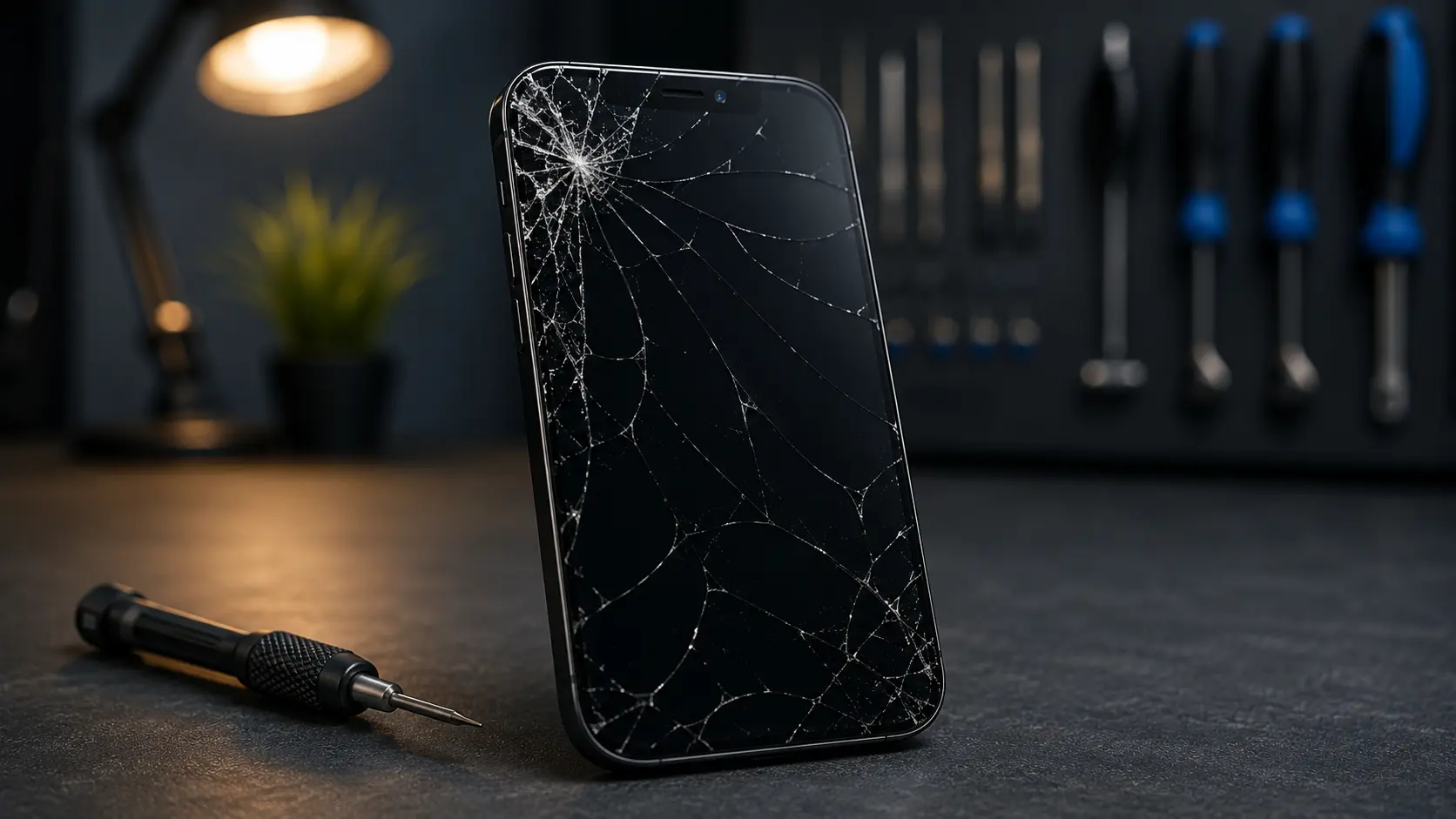
You Can, But You Probably Shouldn’t
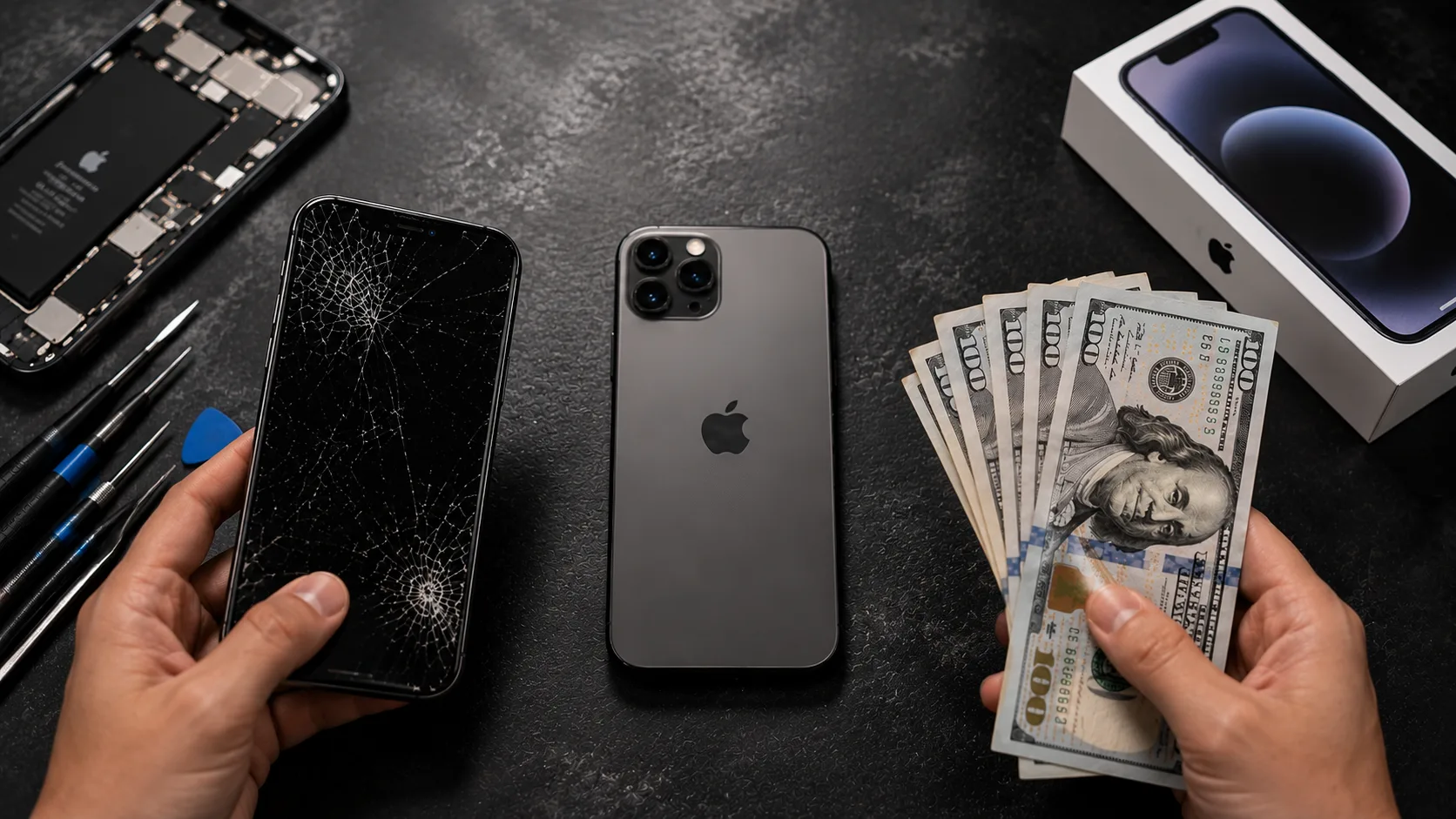
A cracked phone screen doesn’t always mean the phone stops working. If the touch is responsive and the display is visible, you can technically keep using it. But “usable” and “safe to use long-term” are different things.
Here’s what actually happens when you continue using a phone with a cracked screen, and how the damage gets worse over time.
Cracks Spread Faster Than You Think
Glass fractures follow stress lines created by the original impact. Every time you tap, swipe, or even grip the phone, you’re applying pressure along those lines. Small cracks can extend across the entire display in a matter of days.
Temperature changes make this worse. Your phone’s processor generates heat during use, and the glass expands slightly. When it cools down, it contracts. This cycle of expansion and contraction widens existing fractures steadily. In a climate like Albuquerque’s, where daytime temperatures can hit 95°F and drop into the 50s at night, thermal stress on cracked glass is significant.
Moisture and Dust Get Inside
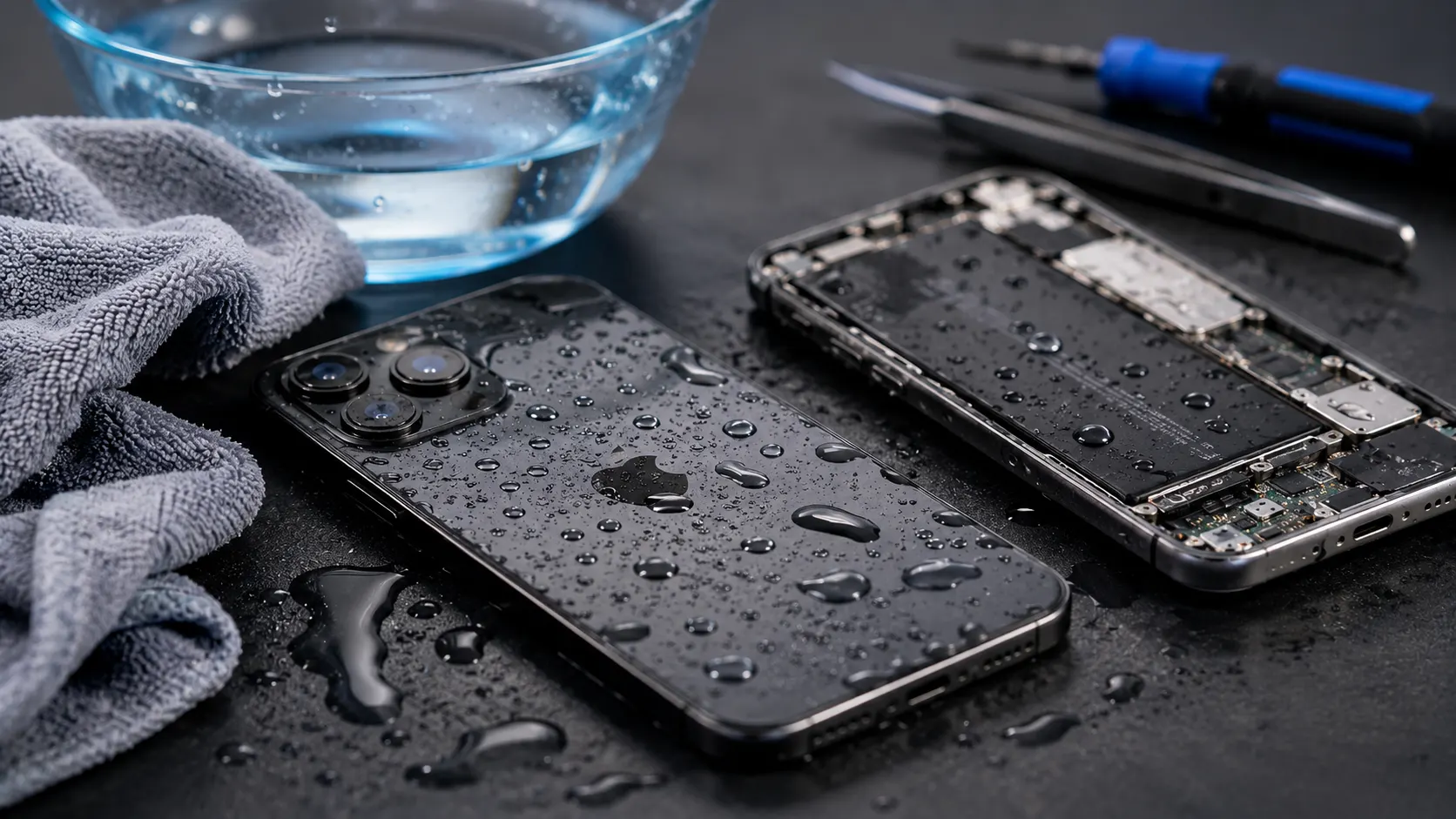
A cracked screen compromises the seal that protects your phone’s internal components. Dust, fine sand, and moisture can work through even hairline fractures and reach the digitizer, battery, and logic board.
Water damage from a cracked screen doesn’t require submerging the phone. Humidity, rain, or even condensation from moving between air-conditioned spaces and outdoor heat can introduce enough moisture to corrode internal connectors. If your phone was recently exposed to water through a cracked screen, that’s worth getting checked for water damage before the corrosion spreads.
Touch Accuracy Degrades
Cracked glass creates dead zones where the touch layer no longer registers input properly. You might notice this first when typing (certain letters stop responding) or when trying to tap buttons near the edges of the screen.
On iPhones with Face ID, cracks near the top notch area can interfere with the infrared sensor array, causing Face ID to become unreliable or stop working entirely.
Glass Fragments Are a Safety Risk
This one’s practical. Cracked screens have sharp edges. If you hold your phone to your ear during calls, rest it against your face, or slide it in and out of your pocket throughout the day, small glass fragments can break free and cause cuts.
Applying a tempered glass protector over the cracked screen is a temporary measure. It holds the fragments in place and prevents cuts, but it doesn’t fix the underlying damage.
What a Cracked Screen Repair Actually Involves
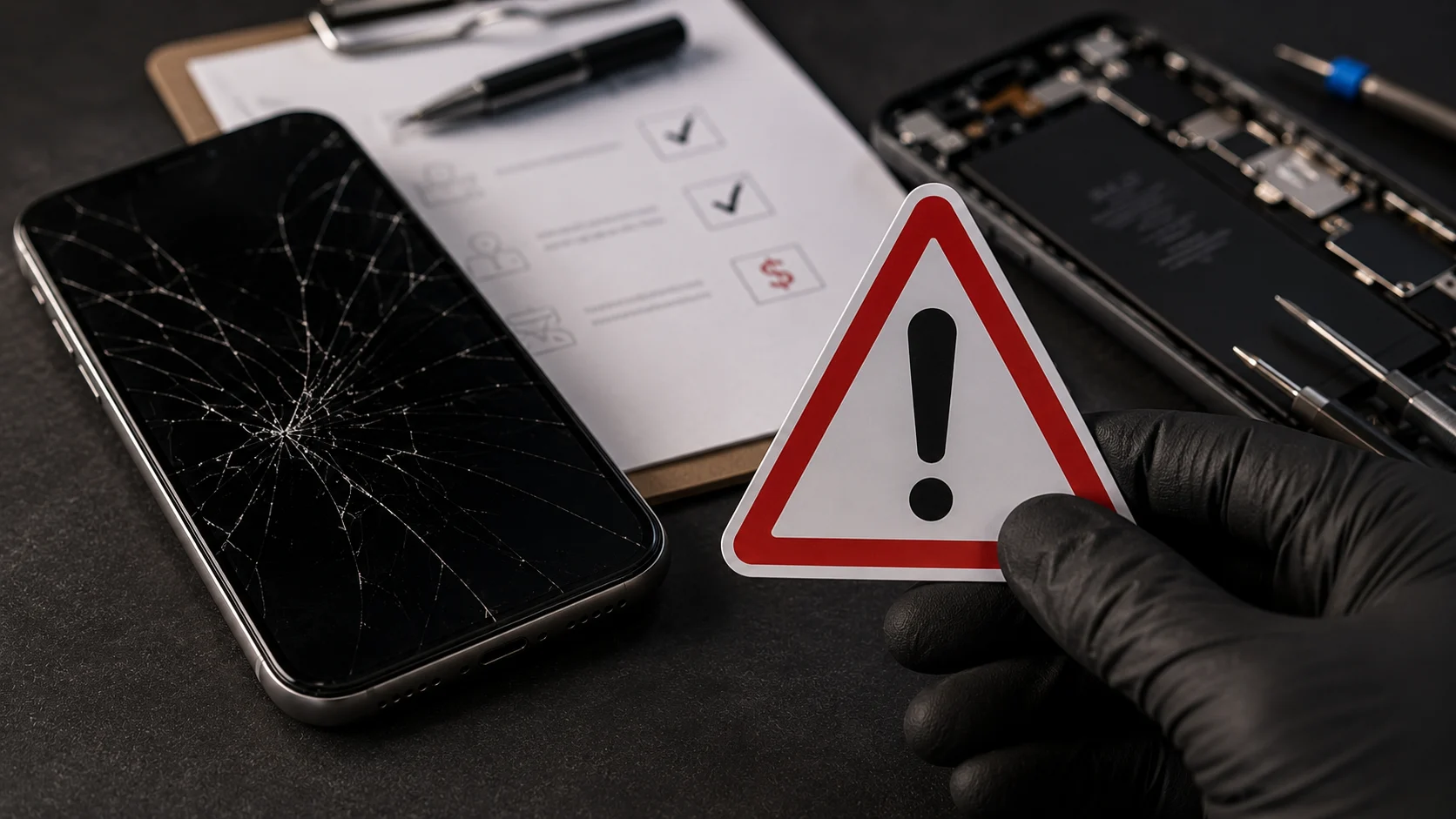
If the LCD or OLED panel underneath the glass is still intact (no black spots, no color lines, no flickering), you may only need a glass replacement. If the display itself is damaged, the entire screen assembly needs to be swapped.
For iPhones, we replace screens using genuine Apple parts with a lifetime warranty. For Samsung, Google Pixel, and other Android phones, we use premium OEM-grade displays. Most screen repairs take 30 minutes or less.
If you’re not sure whether the crack is on your screen protector or the actual display, this guide explains how to tell the difference.
Don’t Wait on This One
Cracked screen repairs are the most common job we do at our Albuquerque shop, and the ones that cost the most are always the ones where the customer waited too long. What starts as a screen-only issue turns into water damage, touch failure, or battery problems because moisture and debris got inside through the cracks.
If you’re unsure whether your screen needs replacing, stop by for a free diagnostic. We’ll tell you exactly what’s going on before any work starts.