

What Ceramic Shield Actually Does
Apple’s Ceramic Shield, introduced on the iPhone 12 and used on every model since (including the iPhone 14 series), is a front cover material developed with Corning. It embeds nano-ceramic crystals into the glass matrix to improve drop resistance.
Apple says Ceramic Shield offers 4x better drop performance compared to earlier iPhones. And that’s a legitimate improvement for drops. If your phone falls face-down onto a hard surface, Ceramic Shield is significantly less likely to shatter than the glass on an iPhone 11 or older.
But here’s what Ceramic Shield does not do well: resist scratches.
Drop Resistance Is Not Scratch Resistance
These are two different properties. Drop resistance is about absorbing impact energy and distributing it across the glass surface to prevent shattering. Scratch resistance is about surface hardness, meaning how well the material resists being marked by harder objects.
Ceramic Shield improves the first but not the second. Keys, coins, sand, and even some dust particles contain minerals that are harder than the glass surface. Over time, these create fine scratches that accumulate, making the screen look hazy or worn, especially under direct light.
So while your iPhone 14 is less likely to shatter from a fall, it’s just as likely to pick up micro-scratches from everyday carry as any other phone.
The Case for Using a Screen Protector
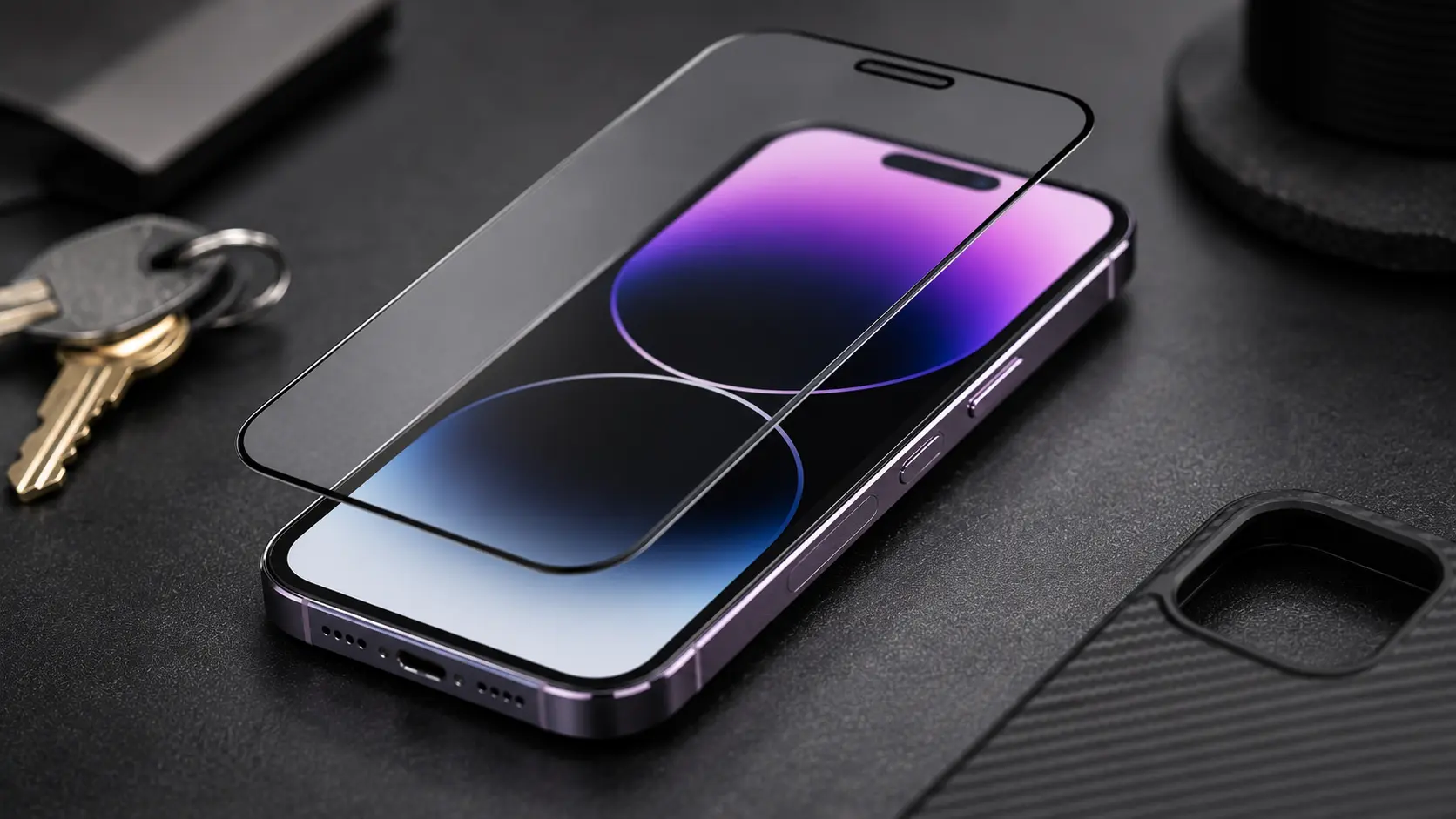
A tempered glass screen protector adds scratch resistance that Ceramic Shield lacks. Good quality protectors are rated 9H on the Mohs hardness scale, which is harder than most materials you’d encounter daily (keys are around 5 to 6H, sand is about 7H).
The protector acts as a sacrificial layer. It takes the scratches and impacts so the actual display doesn’t have to. When it gets too scratched up, you peel it off and apply a new one for $10 to $25 instead of paying for a screen repair.
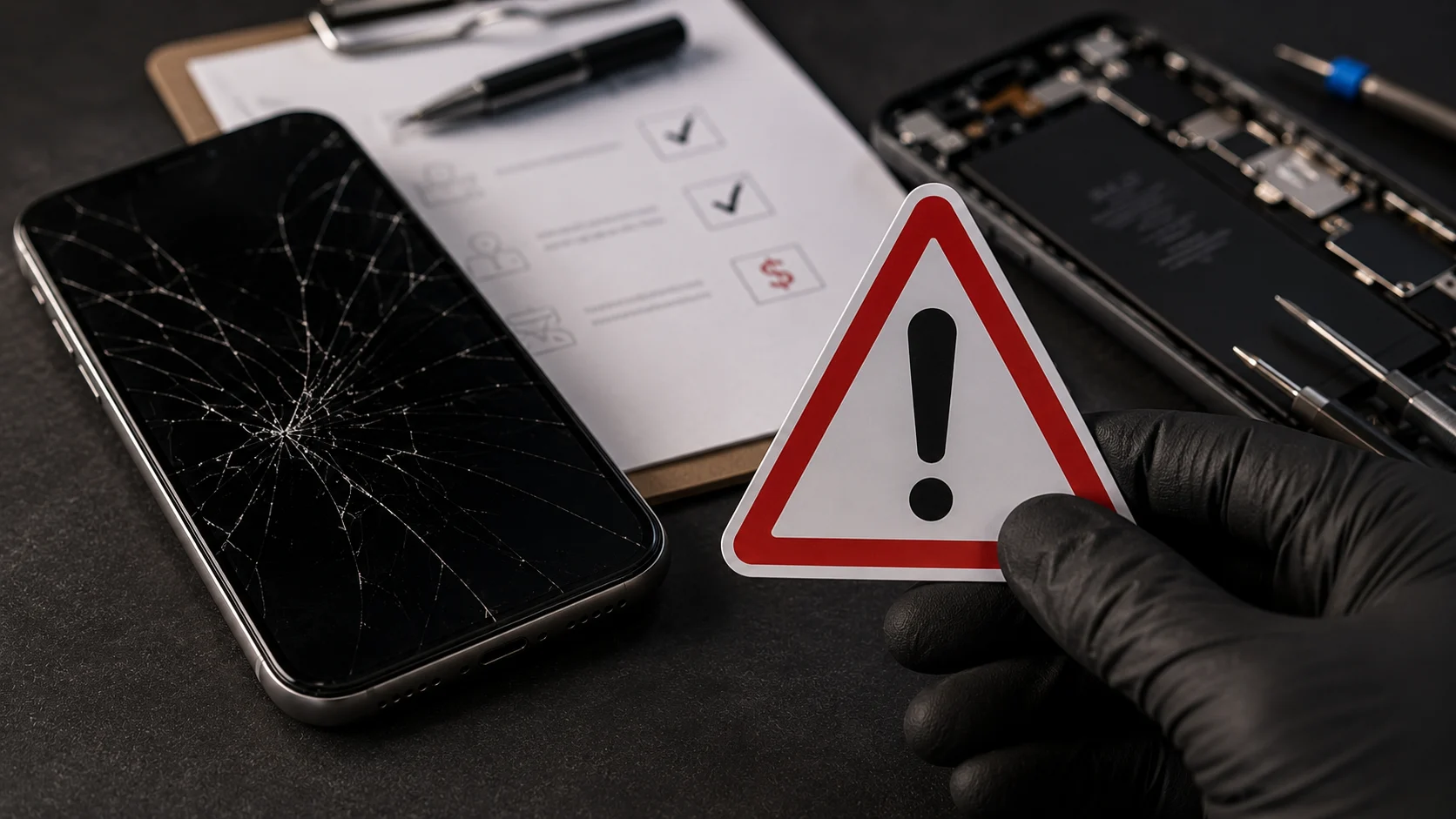
If you drop the phone and the protector cracks, you replace the protector. If you drop the phone without a protector and the Ceramic Shield cracks, you’re looking at a screen replacement. The cost difference makes the protector a straightforward investment.
What to Look for in a Screen Protector
Not all protectors are equal. Look for tempered glass (not plastic film), 9H hardness rating, edge-to-edge coverage (full-coverage protectors prevent dust from getting trapped at the edges), oleophobic coating (resists fingerprints and smudges), and compatibility with your specific iPhone model (camera cutouts and sensor placement differ between standard, Plus, Pro, and Pro Max).
Avoid the cheapest options. Ultra-budget protectors are often thinner, less hard, and have weaker adhesive that peels up at the edges within weeks.
The Case Against (It’s Thin)
Some people prefer the feel of bare glass. Screen protectors add a very slight layer of thickness and can change how the screen feels under your fingertip. If you always use a case with raised edges and you’re careful with your phone, the risk of screen damage is lower.
But “lower risk” isn’t “no risk.” It comes down to whether you’d rather spend $15 on a protector now or risk a screen repair later. If you want to understand how different screen technologies react to damage, our LCD vs OLED comparison is worth a read.
We Sell and Install Protectors Too
At our Albuquerque shop, we carry high-quality tempered glass protectors for every iPhone model and install them on the spot. If you’re getting a screen repair done with us, we can apply a new protector right after the replacement so your fresh screen stays protected from day one.
We also see plenty of customers who come in thinking their screen is cracked when it’s actually just the protector. If you’re not sure, we’ll check it for free. Our guide on how to tell whether the crack is on your screen or the protector covers the quick tests you can do at home.